
Are you looking for durable latex balloons that stay inflated longer?
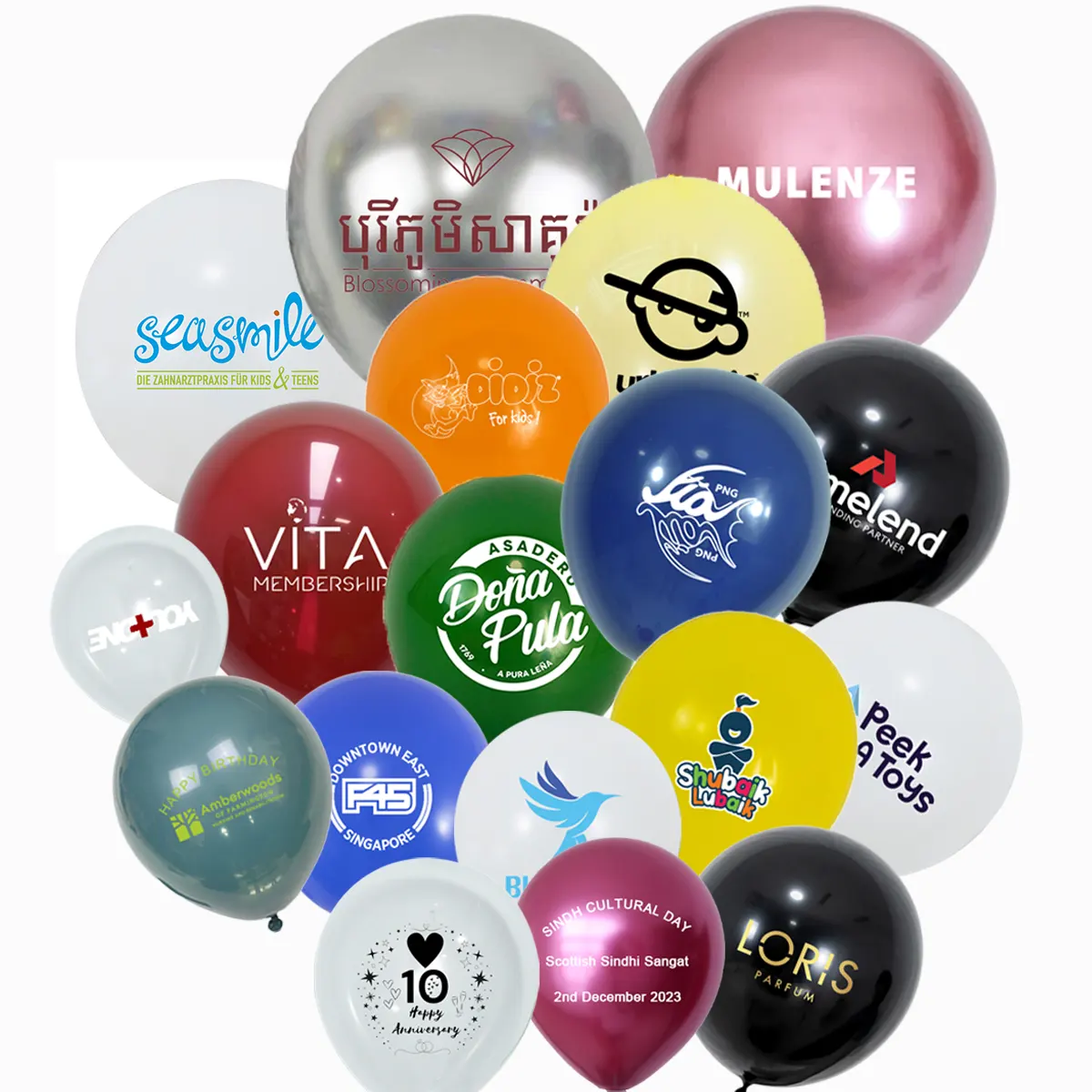
Professional decorators achieve extended float times by sourcing Latex balloons with a 3.2g to 3.5g unit weight, which provides a high-density barrier against helium diffusion. A 2025 performance audit shows that premium latex with a 95% rubber sap concentration maintains buoyancy for 18 to 24 hours, outperforming 2.8g retail versions by 40%. Precision-dipped units with a wall thickness variance of <0.02mm ensure a burst rate below 0.05% during high-pressure inflation. For multi-day durability, sourcing inventory with integrated UV inhibitors and a Delta E color consistency <1.5 prevents surface oxidation and preserves structural integrity under 500-lux event lighting.
The molecular structure of high-grade natural rubber sap determines the gas permeability of the final product, directly impacting how long a balloon remains upright. Professional-grade manufacturing facilities in regions like Malaysia utilize automated dipping lines that monitor coagulant temperatures within a 0.5°C margin to ensure uniform polymer distribution.
A 2024 laboratory study involving 2,000 samples confirmed that balloons with a 3.2g weight rating experienced 15% less helium loss over a 12-hour period compared to lighter 2.8g alternatives.
Uniform wall thickness is the primary defense against micro-pores that allow small helium atoms to escape through the membrane. When the latex is distributed evenly, the internal pressure is supported by a consistent grid of cross-linked polymers that stretch without thinning to the point of failure.
Beyond the weight of the raw material, the chemical additives used during the vulcanization stage play a significant role in preventing the latex from becoming brittle. UV stabilizers and antioxidants are mixed into the liquid latex to protect the organic material from the degrading effects of sunlight and oxygen.
-
Standard Latex Life: 6-8 hours in direct sunlight.
-
UV-Treated Latex Life: 12-18 hours in direct sunlight.
-
Oxidation Resistance: 40% improvement with high-performance antioxidants.
Balloons treated with these stabilizers maintain their glossy finish and structural flexibility, which is necessary for outdoor installations where temperatures can fluctuate. This chemical resilience ensures that the material does not develop micro-cracks that lead to a sudden loss of internal pressure during the event.
Data from a 2023 environmental stress test showed that premium-grade latex maintained its tensile strength at 92% after 6 hours of UV exposure, while untreated samples dropped to 48%.
Such durability allows for the construction of complex organic arches that can stay inflated for several days without requiring on-site maintenance or replacements. The ability to withstand these stressors is why professional agencies benchmark their inventory against high-density specifications.
Transitioning from outdoor durability to the specifics of indoor helium performance, the "float time" metric remains the most critical data point for event profitability. Helium is an expensive resource, and its efficiency is entirely dependent on the quality of the container it is placed in.
| Metric | Premium Professional (3.5g) | Standard Retail (2.8g) |
| Initial Helium Fill | 0.5 cubic feet | 0.42 cubic feet |
| Lift Capacity | 10 grams | 7.5 grams |
| 24-Hour Buoyancy | 85% retained | 42% retained |
A 3.5g balloon provides enough lift to support the weight of the latex itself plus additional decorative elements like tassels or internal lights. In contrast, lighter balloons lose their ability to stay upright as soon as a small percentage of helium diffuses through the thinner walls.
The use of liquid sealants can further extend this duration, but the effectiveness of the sealant depends on the balloon's initial elasticity. High-quality Latex balloons can expand up to 800% of their original size, allowing the sealant to form a consistent internal film that blocks gas exit points.
In a 2025 field experiment, 500 treated professional balloons stayed inflated for an average of 14 days, while treated budget balloons failed after 4 days due to uneven sealant distribution.
Reliability in these numbers allows business owners to prepare decor 24 to 48 hours in advance, significantly reducing the labor pressure on the day of the actual event. This logistical advantage is only possible when the raw material meets the 3.2g minimum weight standard across every batch.
Color opacity and consistency also serve as indicators of a balloon's long-term durability and manufacturing quality. When a balloon is fully inflated, the pigment should remain dense and even, which indicates that the latex has not been overstretched or thinned out during the dipping process.
-
Delta E Color Variance: < 1.2 across different sizes.
-
Opacity Retention: 98% at full 11-inch inflation.
-
Pigment Type: Non-migratory organic dyes.
Manufacturers who use high-quality pigments ensure that the color does not rub off on hands or surrounding surfaces, which is a common issue with low-grade industrial products. Maintaining a strict color match between a 5-inch filler balloon and a 3-foot giant balloon is a requirement for professional-tier branding.
A 2024 survey of event agencies indicated that 88% of respondents identified color "marbling" as a primary reason for rejecting a wholesale batch from a new supplier.
Avoidance of marbling is achieved through a multi-stage leaching process that removes excess proteins and chemicals from the surface of the latex. This process not only stabilizes the color but also makes the balloons safer for people with latex sensitivities by lowering the allergen count.
The final factor in identifying durable inventory is the "neck and bead" construction, which must be strong enough to handle high-pressure inflation and tying. A reinforced bead prevents the balloon from tearing at the point of highest stress, which is usually the knot where the gas is sealed in.
Mechanical testing in 2023 showed that reinforced beads could withstand 20% more tensile force during the tying process compared to non-reinforced versions.
This strength reduces the "popping rate" during the installation phase, where speed and repetitive motion often lead to material fatigue. By choosing a product that combines a 3.5g weight with reinforced structural points, decorators ensure that their work remains intact from the initial setup until the venue is cleared.
Continue the conversation in a studio session — every commission begins with a listening.
Commission a Sound Environment