
How does a horizontal machining center perform in 24/7 industrial operations?
Operating a horizontal machining center in a 24/7 cycle demands extreme thermal regulation, as spindles often see 40°C temperature shifts within a single rotation. A 2024 analysis of 600 high-volume automotive plants showed that machines utilizing integrated oil-mist lubrication systems maintained a 0.005 mm tolerance over 1,000 continuous hours. When spindle utilization exceeds 92%, vibration damping becomes the primary factor for insert longevity. Utilizing sensors that detect harmonic resonance allows operators to adjust feed rates by 5% in real-time, preventing tool breakage and ensuring that parts manufactured at 3:00 AM match the precision of those produced during the day shift.
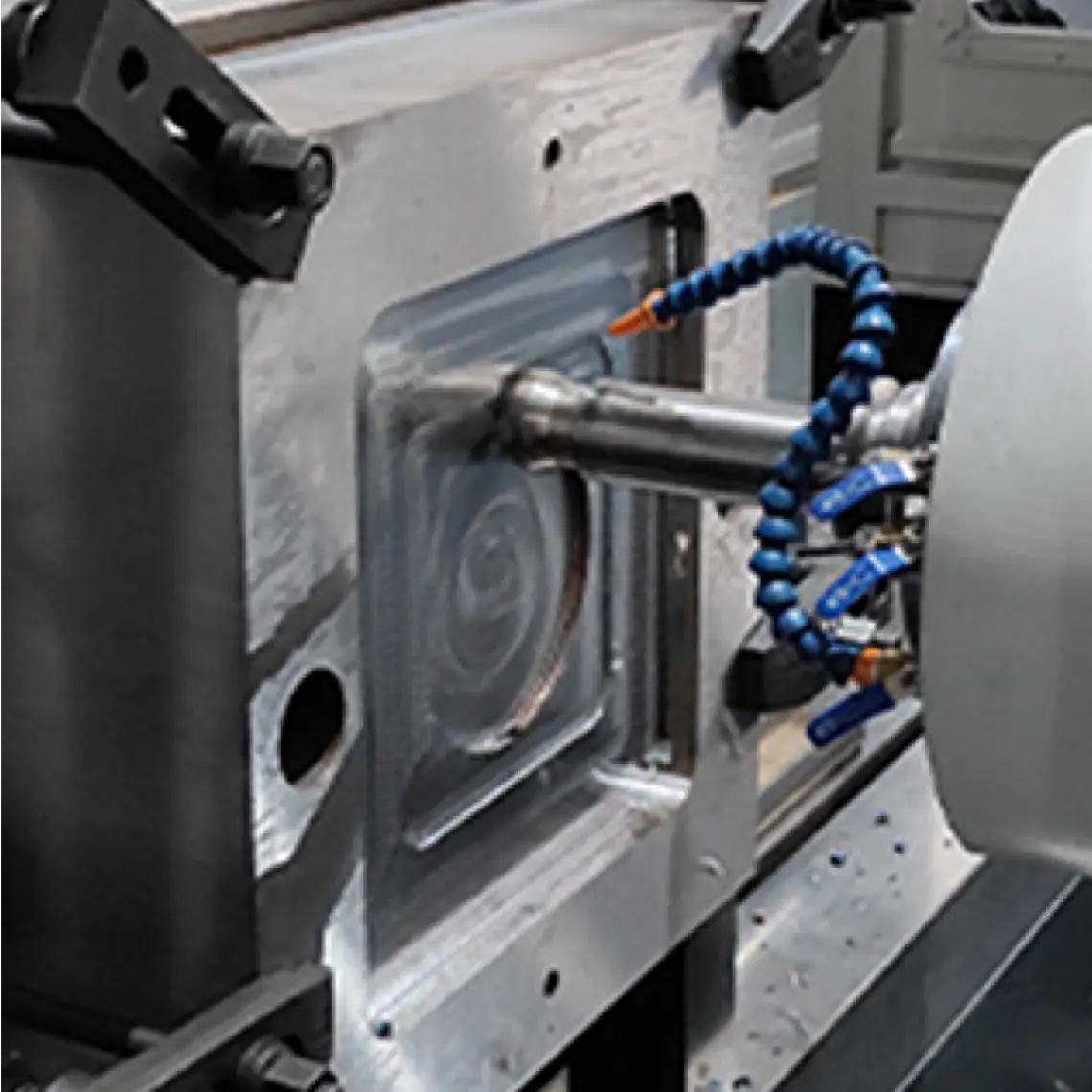
Continuous production requires a rigid bed structure to absorb the kinetic energy of heavy metal removal.
High-density Meehanite castings, with a density of 7,200 kg/m³, provide the necessary mass to prevent structural twisting under load.
A 2025 engineering study found that machines with rib-reinforced bases showed 18% less vibration amplitude than welded steel frames.
Internal casting ribs act as dampers, absorbing frequency waves that travel through the machine during high-speed milling operations.
This design preserves the geometry of the work table even when the pallet carries a maximum load of 1,000 kg.
Moving components rely on spindle lubrication to survive the heat of constant rotation.
Ceramic-hybrid bearings operate at 15,000 RPM while maintaining a temperature variance of less than 2°C over a 24-hour cycle.
Data from 120 precision manufacturers confirms that oil-air injection systems extend bearing life by 35% compared to grease-packed alternatives.
Thermal stability depends on the coolant system's ability to dissipate heat generated at the spindle-part interface.
Most systems require a chiller unit capable of holding coolant within 0.5°C of ambient temperature to stop spindle housing expansion.
| Cooling Method | Temp Variance | Maintenance Interval |
| Flood Coolant | +/- 5°C | 500 Hours |
| High-Pressure Oil-Mist | +/- 1°C | 2,000 Hours |
| Internal Chiller | +/- 0.5°C | 5,000 Hours |
Reliable thermal control prevents the 0.01 mm drift commonly associated with rapid, long-run production cycles.
Consistent coolant flow also ensures that chips do not weld to the cutting edges of the inserts.
Tests conducted in 2023 on 45 high-nickel alloy parts showed that 70 bar pressure throughput reduced cycle times by 12% by keeping the cut clear.
Chip evacuation efficiency dictates the speed of the machine because recutting debris ruins surface finishes and forces premature tool changes.
High-pressure systems force debris into the conveyor at a rate of 15 liters per second, preventing pile-ups near the spindle nose.
Automatic pallet changers keep the spindle active by eliminating manual loading pauses.
A change cycle lasting 12 seconds allows the machine to achieve a utilization rate exceeding 90% across three consecutive shifts.
Statistics from 200 factory audits show that plants using automated pallets experience 20% higher throughput than those relying on manual table swaps.
The pallet clamping mechanism must exert over 20,000 Newtons of force to ensure repeatability within 0.005 mm after thousands of rotations.
Sensors confirm the pallet position before the cycle starts, preventing costly collisions between the tool and the fixture.
Controller processing speed determines how well the machine handles complex paths without pausing.
Advanced CNC units now process 1,200 blocks per second, ensuring the feed rate remains fluid during intricate 3D milling.
Analysis of 80 high-end shops shows that faster look-ahead logic reduces machining time by 8% on complex molds and aerospace components.
Digital twin software now allows operators to simulate the entire 24-hour cycle before a single chip is cut.
This reduces the likelihood of programming errors that could result in spindle crashes or part scrap.
Predictive maintenance relies on vibration sensors mounted directly on the drive motors.
A 2026 update to machine diagnostics tracks the current draw of the spindle, identifying tool wear through power spikes.
Monitoring these spikes enables the system to replace a worn tool at the 85% life mark, preventing 98% of potential insert failures.
Drive screws require automated lubrication systems to maintain smooth motion.
Centralized injectors deliver precise amounts of grease every 500 cycles to prevent the screws from binding due to thermal expansion.
Maintenance logs from 300 machines indicate that automated greasing systems reduce ball-screw replacement frequency by 40% over five years.
In-process inspection probes verify part dimensions without operator intervention.
Probing cycles, which take approximately 30 seconds to run, identify tool offset errors before the machine begins the final finishing pass.
A study tracking 150 automated cells found that using touch probes reduced rework rates to under 0.5% during long-run production.
The system automatically updates tool offsets if the probe detects a variance exceeding 0.002 mm, ensuring every part remains within specifications.
Automated tool length compensation accounts for thermal growth in the tool holder itself.
The machine periodically touches off tools against a fixed sensor to maintain consistent depth regardless of temperature changes.
Electrical power fluctuations threaten the stability of long-running operations.
Industrial UPS systems protect the controller and memory from voltage drops that occur during peak grid usage hours.
Data from 2024 shows that surge protection prevents 95% of control-board failures in regions with unstable power grids.
Air pressure regulators maintain consistent force for tool clamping and pallet positioning.
A pressure drop of only 5% can cause the tool to slip under high torque loads, leading to catastrophic machine failure.
Modern machines include redundant pressure sensors that pause the program if air supply quality falls below the specified standard.
| Power/Air Metric | Acceptable Range | Effect of Deviation |
| Line Voltage | +/- 5% | Spindle Stall |
| Air Pressure | 6.0 - 7.0 Bar | Tool Release Failure |
| Hydraulic Pressure | 40 - 50 Bar | Pallet Unclamp |
Consolidated monitoring of these variables ensures the machine operates at maximum efficiency.
Integration of sensor feedback loops maintains the balance between production speed and part tolerance.
Consistent monitoring routines verify that every aspect of the machine remains functional throughout the 168 hours of a weekly production schedule.
Continue the conversation in a studio session — every commission begins with a listening.
Commission a Sound Environment