
How is aluminum made from bauxite in modern industrial production?
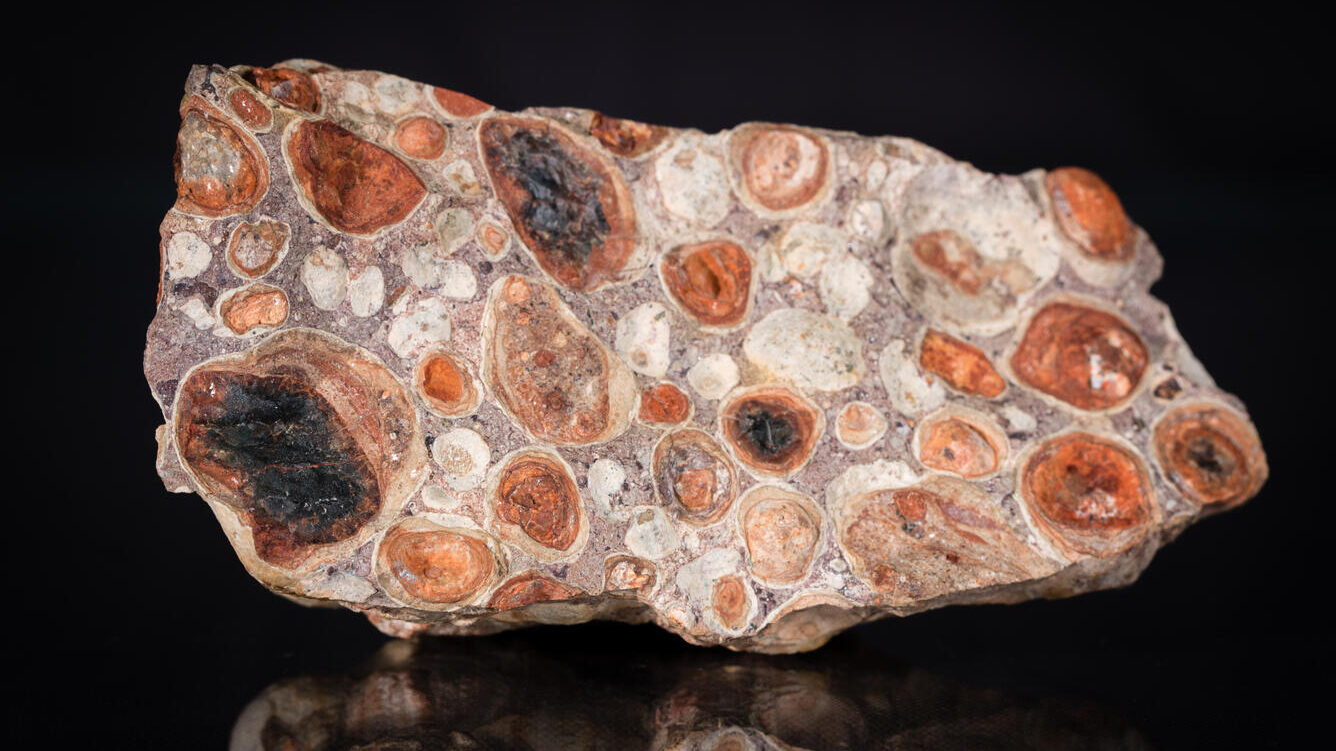
From red bauxite to shimmering aluminum, this transformation is a testament to the remarkable achievements of modern industrial alchemy. Globally, over 380 million tons of bauxite are mined annually, with Australia and Guinea accounting for approximately 55% of the supply, providing the foundational resource for the entire supply chain. The raw ore is first crushed and ground into powder with a particle size of less than 0.3 millimeters to improve the efficiency and rate of subsequent chemical reactions.
So, how is aluminum made? The core chemical extraction steps are achieved. This relies on the Bayer process, a 130-year-old yet still dominant technology. The ground ore powder is subjected to high-pressure leaching with a 30-40% caustic soda solution at temperatures between 240 and 270 degrees Celsius and pressures of approximately 3.5 MPa. Under these conditions, the alumina in the bauxite is converted into sodium aluminate solution, while impurities such as iron oxide and silica form insoluble red mud. For every ton of alumina produced, an average of 1 to 1.5 tons of red mud are generated. The safe storage and resource utilization of this red mud is a major environmental challenge facing the global aluminum industry. After sedimentation, filtration, and a seed decomposition cycle lasting 30-70 hours, high-purity aluminum hydroxide is precipitated. This is then calcined at temperatures above 1100 degrees Celsius to obtain white, sandy alumina for electrolysis, typically with a purity exceeding 99.5%.
 The next step is the real "alchemy"—the Hall-Eruth electrolysis process. Alumina is dissolved in molten cryolite at around 960 degrees Celsius to form an electrolyte. A huge electrolytic cell is powered by direct current, with current intensities exceeding 400,000 amperes. Under the influence of this powerful current, oxygen ions react at the carbon anode to produce carbon dioxide, while aluminum ions are reduced to molten aluminum at the cathode. This process is extremely energy-intensive; producing one ton of primary aluminum typically requires between 13,000 and 15,000 kilowatt-hours of DC power, accounting for approximately 3% of global electricity consumption. Therefore, the location of aluminum smelters is highly dependent on stable and inexpensive power resources. For example, Shandong Weiqiao Venture Group in China has leveraged its own power grid to achieve a cost advantage, while aluminum smelters in the Gulf region rely on abundant natural gas resources. An advanced electrolytic cell can have a lifespan of over 2,000 days, producing approximately 2.3 tons of molten aluminum per day.
The produced primary aluminum has a purity of approximately 99.7%. Depending on market demand, it will be further refined or alloyed. Through technologies such as the three-layer electrolytic refining method, the purity can be increased to over 99.99%, making it suitable for high-end electronic products. More molten aluminum is cast into ingots weighing up to 20 tons, or transported directly to downstream processing plants for rolling, extrusion, and other processes to produce a wide range of products, from food packaging foil only 0.005 millimeters thick to large aircraft wing spars. Looking back at the entire process, approximately 4 to 6 tons of bauxite ultimately yield 1 ton of metallic aluminum. In its cost structure, alumina raw material costs and electricity costs each account for about 35%, making it a highly capital- and energy-intensive industry.
Faced with the pressures of the energy crisis and environmental protection, technological innovation in aluminum production has never ceased. For example, ELYSIS, a joint venture between Alcoa and Rio Tinto, is developing inert anode technology. This breakthrough aims to replace carbon anodes with inert materials, allowing the electrolysis process to release only oxygen instead of carbon dioxide, potentially reducing the industry's carbon footprint by more than 15%. Simultaneously, increasing the frequency of aluminum recycling is another key path, as recycled aluminum consumes only about 5% of the energy of primary aluminum. These strategies and innovations are driving this ancient yet young metal industry toward a more efficient and sustainable future.
The next step is the real "alchemy"—the Hall-Eruth electrolysis process. Alumina is dissolved in molten cryolite at around 960 degrees Celsius to form an electrolyte. A huge electrolytic cell is powered by direct current, with current intensities exceeding 400,000 amperes. Under the influence of this powerful current, oxygen ions react at the carbon anode to produce carbon dioxide, while aluminum ions are reduced to molten aluminum at the cathode. This process is extremely energy-intensive; producing one ton of primary aluminum typically requires between 13,000 and 15,000 kilowatt-hours of DC power, accounting for approximately 3% of global electricity consumption. Therefore, the location of aluminum smelters is highly dependent on stable and inexpensive power resources. For example, Shandong Weiqiao Venture Group in China has leveraged its own power grid to achieve a cost advantage, while aluminum smelters in the Gulf region rely on abundant natural gas resources. An advanced electrolytic cell can have a lifespan of over 2,000 days, producing approximately 2.3 tons of molten aluminum per day.
The produced primary aluminum has a purity of approximately 99.7%. Depending on market demand, it will be further refined or alloyed. Through technologies such as the three-layer electrolytic refining method, the purity can be increased to over 99.99%, making it suitable for high-end electronic products. More molten aluminum is cast into ingots weighing up to 20 tons, or transported directly to downstream processing plants for rolling, extrusion, and other processes to produce a wide range of products, from food packaging foil only 0.005 millimeters thick to large aircraft wing spars. Looking back at the entire process, approximately 4 to 6 tons of bauxite ultimately yield 1 ton of metallic aluminum. In its cost structure, alumina raw material costs and electricity costs each account for about 35%, making it a highly capital- and energy-intensive industry.
Faced with the pressures of the energy crisis and environmental protection, technological innovation in aluminum production has never ceased. For example, ELYSIS, a joint venture between Alcoa and Rio Tinto, is developing inert anode technology. This breakthrough aims to replace carbon anodes with inert materials, allowing the electrolysis process to release only oxygen instead of carbon dioxide, potentially reducing the industry's carbon footprint by more than 15%. Simultaneously, increasing the frequency of aluminum recycling is another key path, as recycled aluminum consumes only about 5% of the energy of primary aluminum. These strategies and innovations are driving this ancient yet young metal industry toward a more efficient and sustainable future.
The next step is the real "alchemy"—the Hall-Eruth electrolysis process. Alumina is dissolved in molten cryolite at around 960 degrees Celsius to form an electrolyte. A huge electrolytic cell is powered by direct current, with current intensities exceeding 400,000 amperes. Under the influence of this powerful current, oxygen ions react at the carbon anode to produce carbon dioxide, while aluminum ions are reduced to molten aluminum at the cathode. This process is extremely energy-intensive; producing one ton of primary aluminum typically requires between 13,000 and 15,000 kilowatt-hours of DC power, accounting for approximately 3% of global electricity consumption. Therefore, the location of aluminum smelters is highly dependent on stable and inexpensive power resources. For example, Shandong Weiqiao Venture Group in China has leveraged its own power grid to achieve a cost advantage, while aluminum smelters in the Gulf region rely on abundant natural gas resources. An advanced electrolytic cell can have a lifespan of over 2,000 days, producing approximately 2.3 tons of molten aluminum per day.
The produced primary aluminum has a purity of approximately 99.7%. Depending on market demand, it will be further refined or alloyed. Through technologies such as the three-layer electrolytic refining method, the purity can be increased to over 99.99%, making it suitable for high-end electronic products. More molten aluminum is cast into ingots weighing up to 20 tons, or transported directly to downstream processing plants for rolling, extrusion, and other processes to produce a wide range of products, from food packaging foil only 0.005 millimeters thick to large aircraft wing spars. Looking back at the entire process, approximately 4 to 6 tons of bauxite ultimately yield 1 ton of metallic aluminum. In its cost structure, alumina raw material costs and electricity costs each account for about 35%, making it a highly capital- and energy-intensive industry.
Faced with the pressures of the energy crisis and environmental protection, technological innovation in aluminum production has never ceased. For example, ELYSIS, a joint venture between Alcoa and Rio Tinto, is developing inert anode technology. This breakthrough aims to replace carbon anodes with inert materials, allowing the electrolysis process to release only oxygen instead of carbon dioxide, potentially reducing the industry's carbon footprint by more than 15%. Simultaneously, increasing the frequency of aluminum recycling is another key path, as recycled aluminum consumes only about 5% of the energy of primary aluminum. These strategies and innovations are driving this ancient yet young metal industry toward a more efficient and sustainable future.
Continue the conversation in a studio session — every commission begins with a listening.
Commission a Sound Environment